Signature workshop · Rethinking Infant Spaces

Rethinking Infant Spaces — designing rooms that teach your youngest learners

"The environment is the third teacher" is a Reggio Emilia principle: the physical space itself teaches. Armstrong's DECAL-approved Rethinking Infant Spaces training, led by Anna Camille Hampton, helps teams design infant and toddler rooms around movement, attachment, and the senses so the space does some of the teaching. Available in person across metro Atlanta, live-online, or self-paced from $19; live sessions run 1–8 hours from $35 per teacher and count toward Georgia's annual 10 DECAL clock hours.

  • DECAL-approved (Bright from the Start)
  • Metro Atlanta & the Carolinas
  • Live-online & self-paced
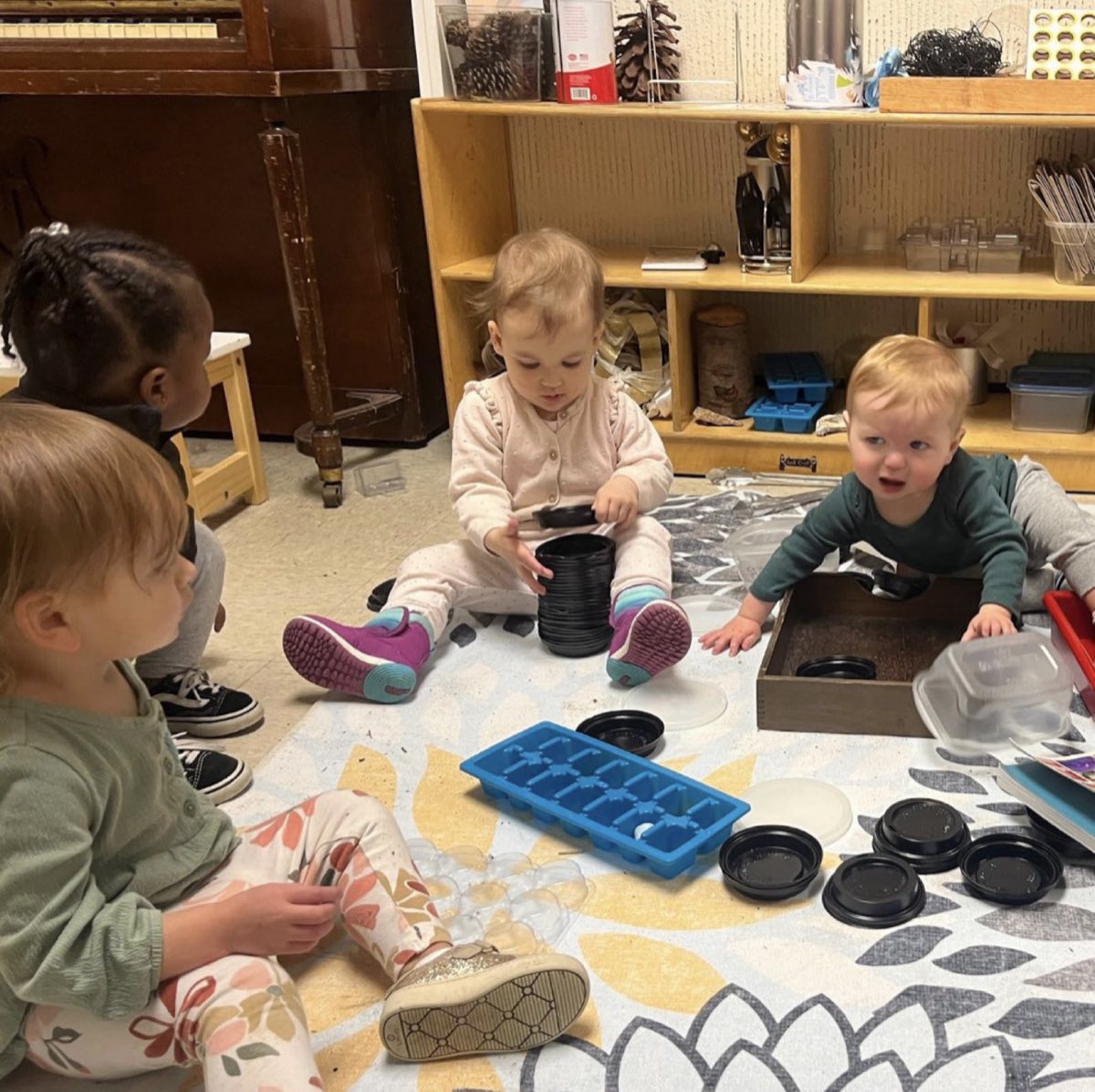
A calm, well-lit infant and toddler room

Why the environment is the third teacher

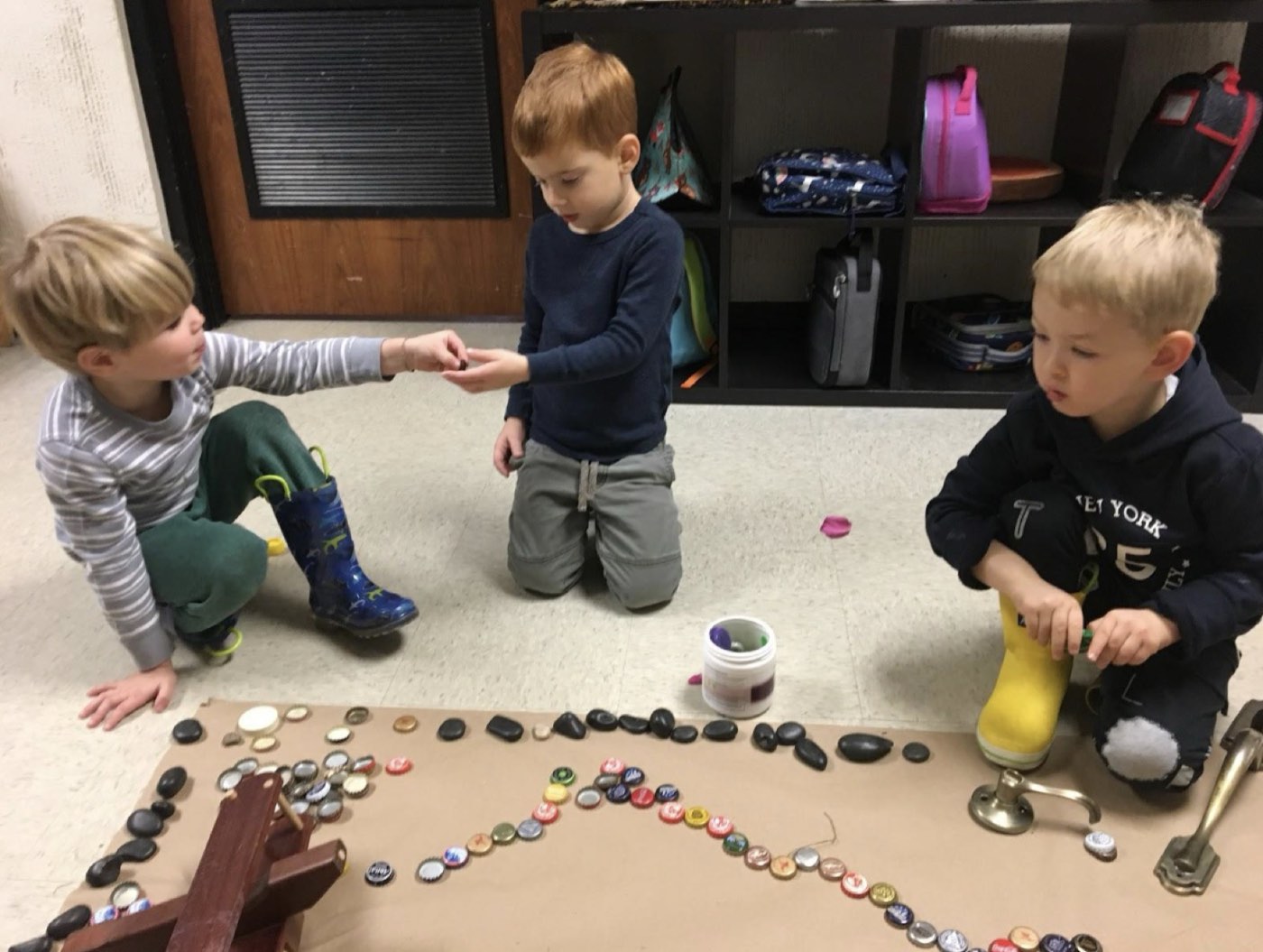
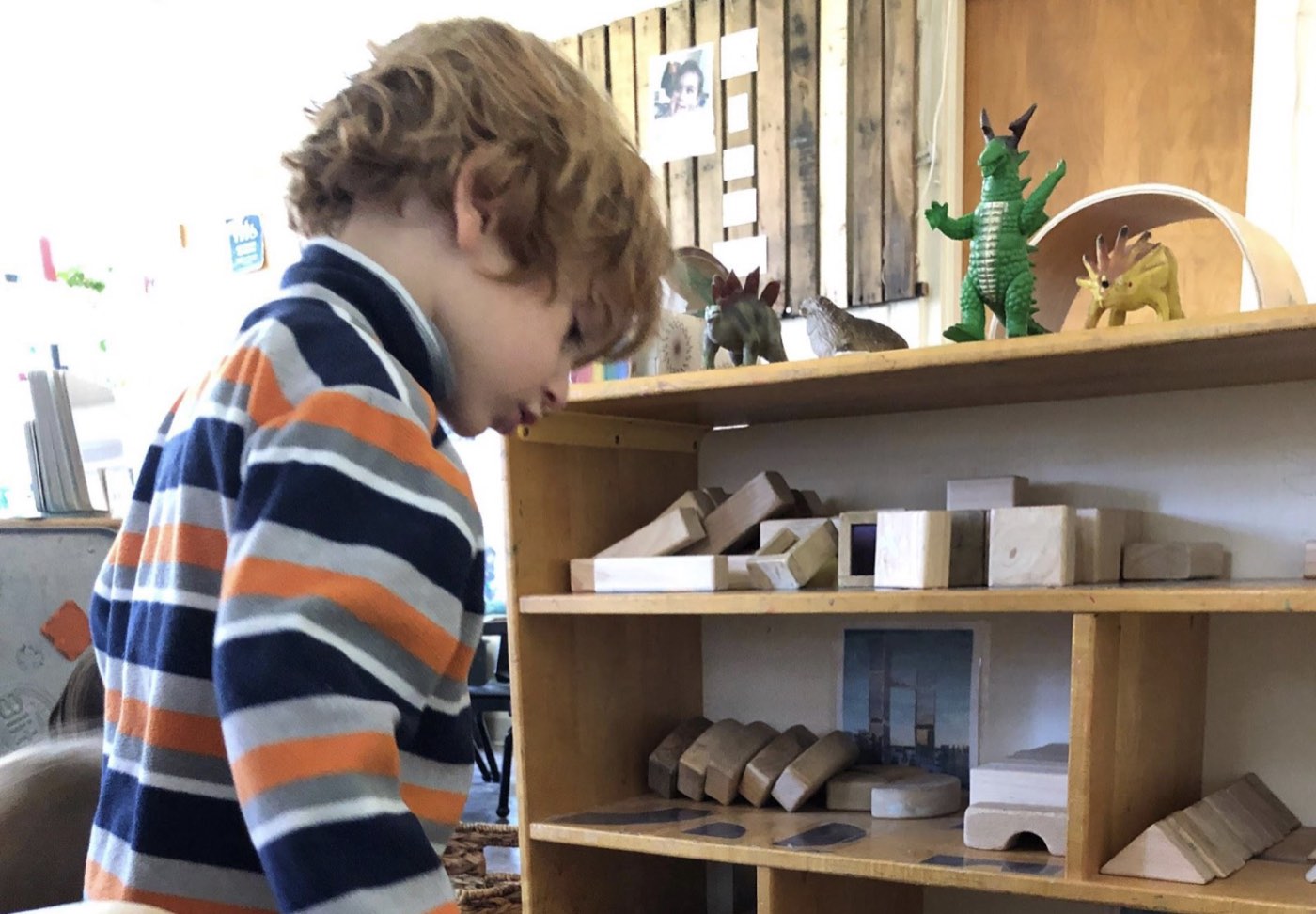
"The environment is the third teacher" is a Reggio Emilia principle: alongside the adults and the children's peers, the physical space itself teaches. A thoughtfully designed room — its layout, light, materials, and order — invites exploration, calm, and independence without an adult directing every moment.

It's the foundation of this training: redesign the room, and it starts doing some of the teaching for you.

What's different about designing for infants and toddlers

Design for infants and toddlers around movement, attachment, and the senses: open floor space for crawling and pulling up, low sightlines so caregivers and babies can see each other, natural light and soft texture, and calm, uncluttered materials at reach.

Primary-caregiving zones support secure attachment, and an "aesthetics of care" — materials, light, texture — shapes how it feels to be in the room.

Why it matters in early childhood

Babies and toddlers learn through their bodies and senses, so the space shapes how much they can move, explore, and self-regulate. A well-designed room reduces stress and challenging behaviour, supports secure attachment, and frees caregivers to be present rather than managing — aligned with Reggio and DAP.

How the session runs

The session works from your real room — a walk-through or photos — toward a concrete redesign plan: auditing the existing space, then low-cost, high-impact moves before any spending.

Who this workshop is for

Infant and toddler teams, directors, and new-build or renovating centres. The workshop can pair with hands-on classroom and infant-environment design consultation for centres ready to redesign.

In this workshop

What educators learn

Every session is hands-on and grounded in real classrooms — teachers leave with practice they can use the next day, not just vocabulary.

  • Auditing an existing infant room
  • Low-cost, high-impact redesign moves
  • Designing for primary caregiving and secure attachment
  • Safety, GELDS, and Quality Rated alignment
Quick answers

Rethinking Infant Spaces, in plain terms

Short, direct answers to the questions educators and directors ask most.

What does 'the environment is the third teacher' mean?

"The environment is the third teacher" is a Reggio Emilia principle: alongside the adults and the children's peers, the physical space itself teaches. A thoughtfully designed room — its layout, light, materials, and order — invites exploration, calm, and independence without an adult directing every moment. It's the foundation of Armstrong's Rethinking Infant Spaces training.

How should you design an infant classroom?

Design an infant classroom around movement, attachment, and the senses: open floor space for crawling and pulling up, low sightlines so caregivers and babies can see each other, natural light and soft texture, and calm, uncluttered materials at reach. Primary-caregiving zones support secure attachment. Armstrong's training walks teams through auditing and redesigning real infant rooms.

Why does infant room design matter?

Infant room design matters because babies and toddlers learn through their bodies and senses — the space shapes how much they can move, explore, and self-regulate. A well-designed room reduces stress and challenging behaviour, supports secure attachment, and does some of the teaching, freeing caregivers to be present rather than managing.

Is there a DECAL-approved infant environment training in Georgia?

Yes. Armstrong Educational Services offers Rethinking Infant Spaces — a DECAL-approved training on designing infant and toddler environments — led by Anna Camille Hampton, in person across metro Atlanta, live-online, or self-paced from $19. Live sessions run 1–8 hours from $35 per teacher and count toward Georgia's 10 annual DECAL clock hours.

Formats & pricing

Book it live, or take it online

Live in-person is anchored at $35 per teacher per hour, live-online at $25, on a 1–8 hour decay curve, with a $280 session minimum. Optional add-on: pair with hands-on classroom/infant-environment design consultation (custom — direct to a discovery call).

Live, in person

$35/ teacher / hour

On-site across metro Atlanta and the Carolinas, 1–8 hours. Per-teacher pricing drops as the group grows; $280 session minimum.

Live-online

$25/ teacher / hour

The same live session over Zoom — about 30% below in person — 1–8 hours on the same group + multi-hour discounts.

Self-paced online CEU

$19/ 1 CEU hour

Take it anytime, no live session — includes a downloadable workbook and a DECAL certificate on completion. See the self-paced catalog.

Add extra time for questions

Extend a live session with a group Q&A block: +$8 per head for 30 minutes or +$15 per head for 60 minutes. Framed as group reflection for the whole team — not 1:1 coaching.

DECAL CEU certificate

Add a DECAL CEU certificate to a live session for +$5 per head (included free in the self-paced course), counting toward each educator's annual 10 Georgia clock hours.

See your exact price in about a minute

The live calculator builds a per-teacher quote from your format, length, and group size — multi-hour and group discounts applied automatically. Build your quote.

Frequently asked questions

Rethinking Infant Spaces, answered

  • It's about designing infant and toddler rooms so the space itself supports development — movement, calm, attachment, and exploration. Camille treats the environment as the "third teacher" and helps you redesign rooms so they do some of the teaching for you.

Ready when you are

Book Rethinking Infant Spaces for your staff, or take it online

Build a per-teacher quote in about a minute, or tell Camille about your team and she'll recommend the right format and length.