DECAL-approved training
Loose Parts as Tools for Learning
Turn simple, abundant loose parts into open-ended learning across your classroom and school day.
- In person
- 2 hrs
- 2 DECAL hrs
- TG-BFTS-112315

About this training
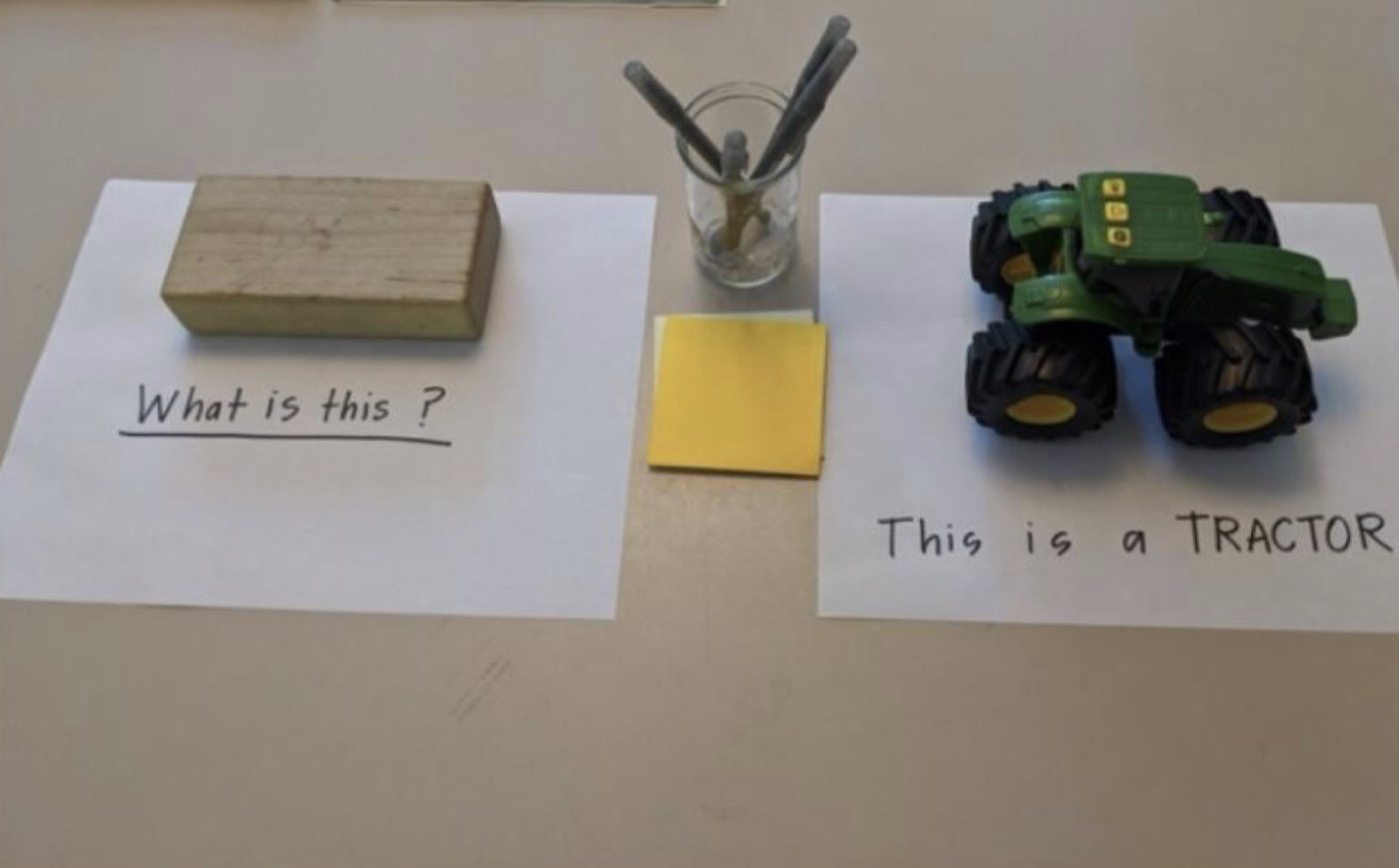
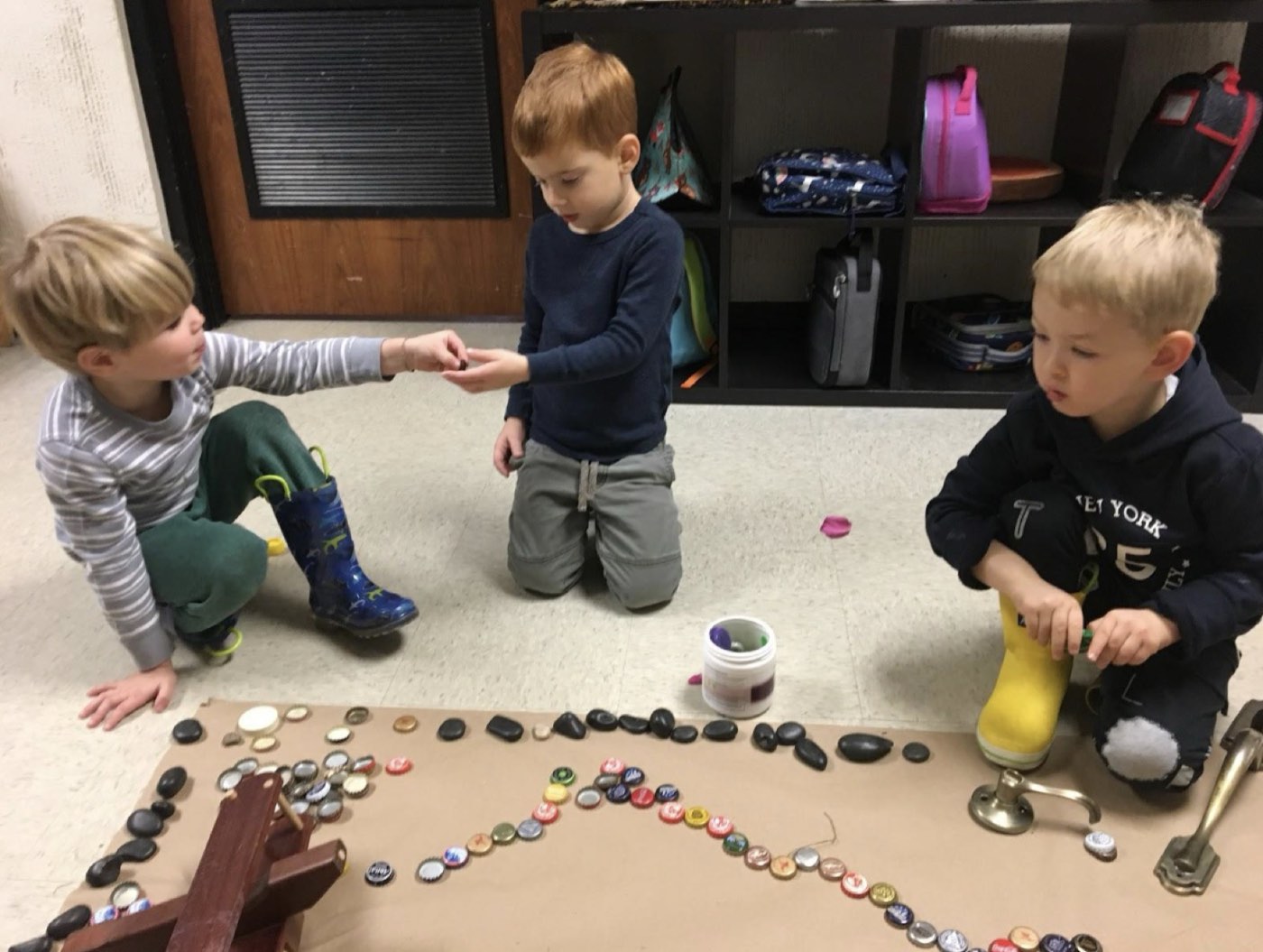
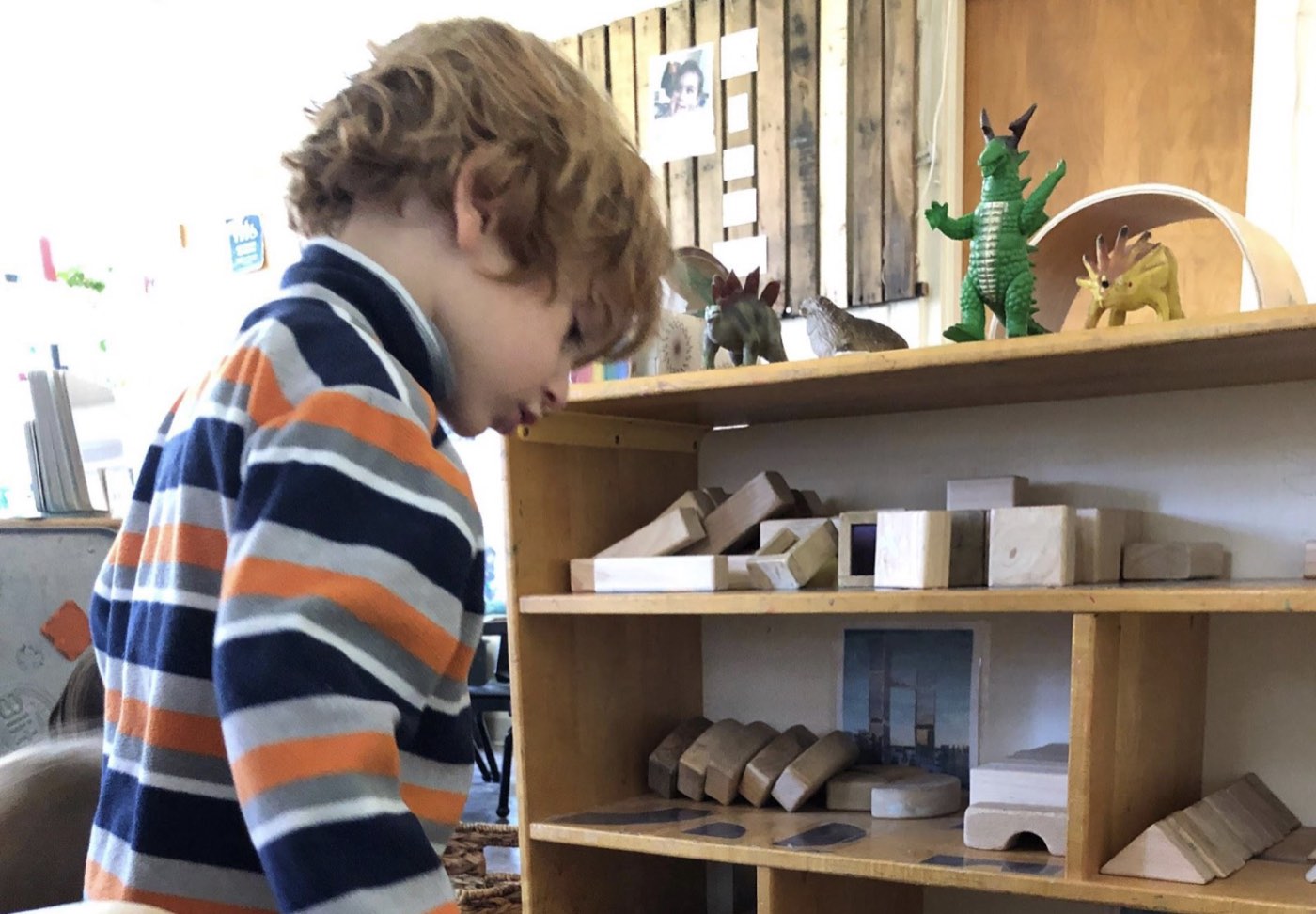
This workshop-style training highlights the benefits of loose parts as tools for learning and their connection to child development, emphasizing both the endless possibilities and the sustainable abundance of loose parts. Participants will engage in hands-on activities, games, exercises, discussions, and collaborative exploration with open-ended materials. Educators will examine and apply loose parts to daily classroom and school life. This training is appropriate for leaders, seasoned educators, and new teachers interested in applying loose parts to enhance learning environments.
Methods & key elements
What your team practises and walks away able to do:
- Choosing and sourcing loose parts on a real budget
- Setting up a loose-parts area (and storing it)
- Observing inquiry instead of directing the play
- Safety, ages, and supervision for toddlers vs. preschoolers